
Finding an apartment in Houston usually begins with comparing monthly rental prices. Rent is certainly the largest ongoing expense, but it is not the only amount renters need to prepare for. Application charges, security deposits, utility connections, parking costs, pet fees, insurance, and moving services can significantly increase the total cost of relocating.
Ignoring these additional expenses can place unexpected pressure on your budget before you have even settled into your new home. A practical moving plan should include every likely cost, from submitting an application to purchasing household essentials after moving in. Understanding these expenses early allows you to compare apartment options more accurately and choose a home that remains affordable throughout the lease.
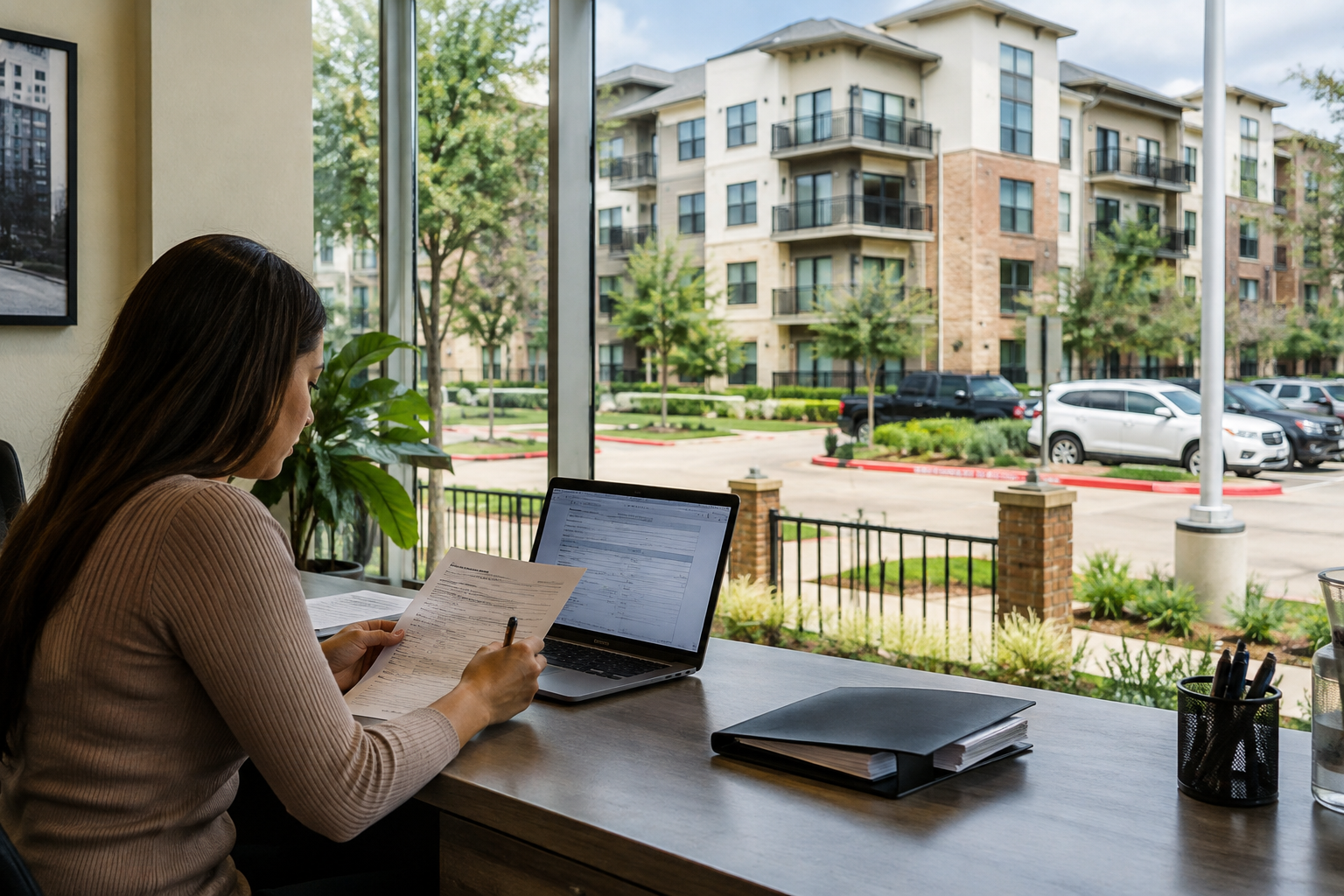
Most Houston apartment communities require every adult applicant to complete a rental application. The application fee normally covers identity verification, rental history, credit review, and background screening.
Application fees are generally nonrefundable, even when the applicant is not approved. Couples, roommates, or families with several adults may need to pay a separate fee for each person.
Some properties also charge administrative or processing fees. Before applying, ask the leasing office for a complete list of charges and whether any payment will be credited toward your move-in balance. Applying to several communities without confirming their requirements can quickly become expensive.
A security deposit may be required to cover possible property damage, unpaid rent, cleaning, or other lease-related obligations. The amount can depend on the apartment community, unit type, credit profile, rental history, and application results.
Some properties offer deposit alternatives that reduce the upfront payment. These programs may appear convenient, but renters should understand whether the charge is refundable. A smaller nonrefundable fee may cost less at move-in, but it will not be returned when the lease ends.
Ask how the deposit is handled, what deductions may occur, and which move-out conditions must be followed to qualify for a refund.

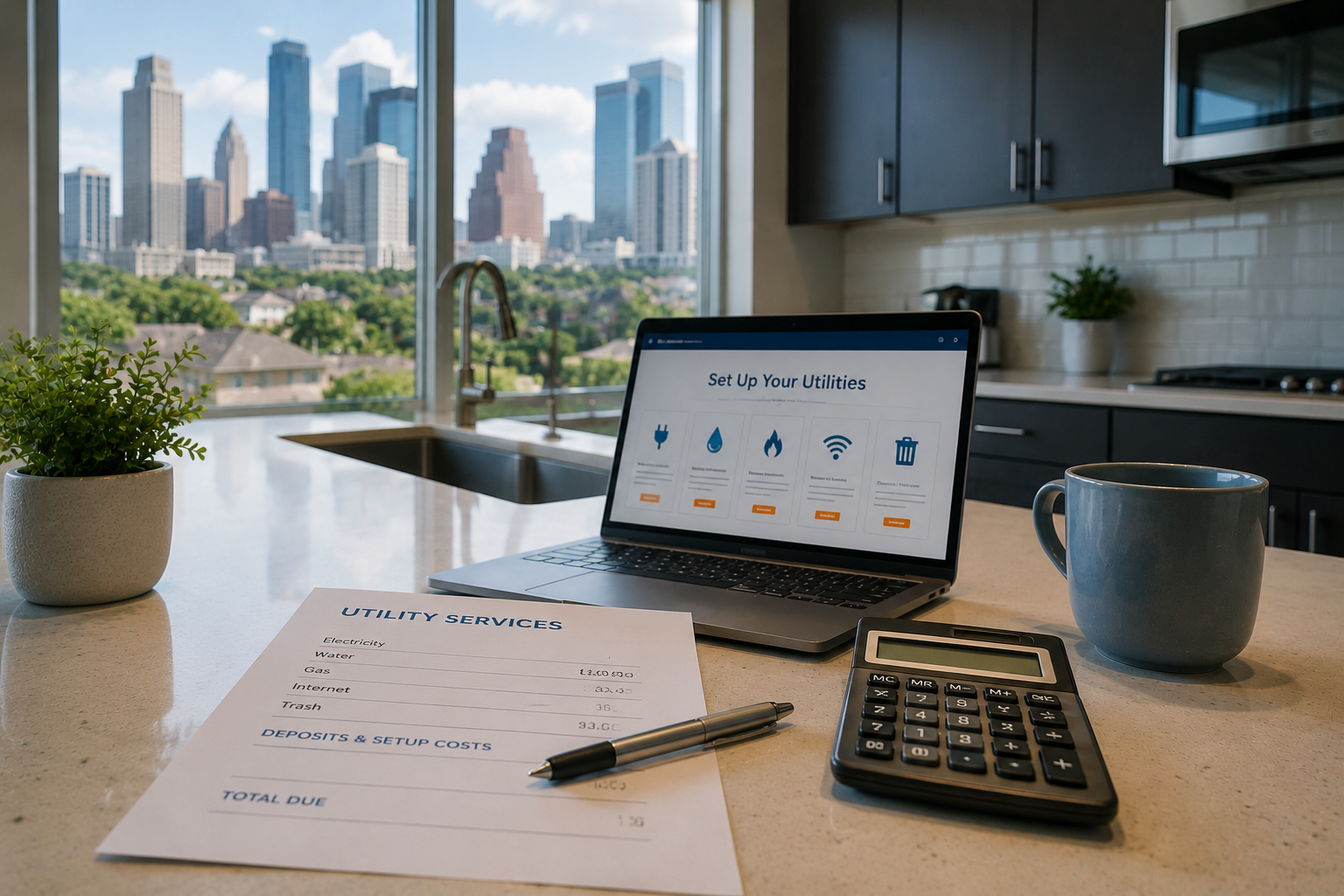
Renters may need to arrange electricity, internet, gas, water, or other services before receiving apartment keys. Utility companies may require deposits or connection charges, particularly when the renter has limited account history.
Electricity should receive special attention in Houston because air conditioning can affect monthly living costs. Apartment size, floor level, window direction, insulation, and equipment condition may influence energy use.
Water, sewer, trash collection, and pest control may be billed through the property. These charges may appear as separate items on the monthly statement rather than being included in the advertised rent.
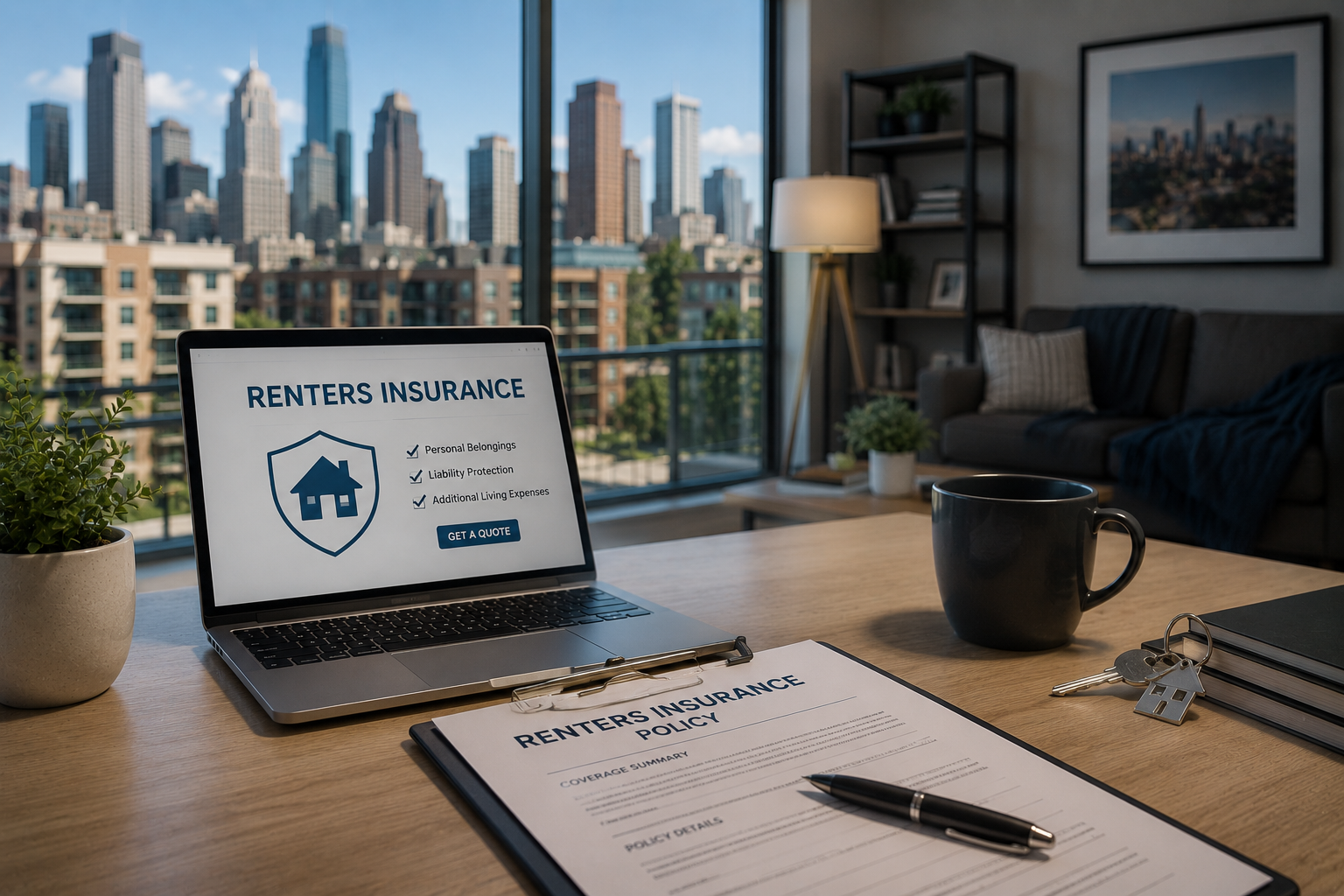
Many apartment communities require renters insurance throughout the lease. This insurance may provide liability protection and help cover personal belongings after certain types of loss or damage.
The apartment community’s insurance generally protects the building rather than the renter’s clothing, electronics, furniture, and other possessions.
Renters should confirm the required coverage amount, payment schedule, and proof needed before move-in. Some properties may automatically add a liability-related fee when a renter does not provide evidence of an acceptable policy. Purchasing your own coverage may offer broader protection, so comparing the available options is important.

Pet owners may face several additional expenses. An apartment community can require a refundable pet deposit, a nonrefundable pet fee, and recurring monthly pet rent.
Properties may also have breed restrictions, weight limits, pet screening requirements, vaccination rules, or registration charges. Renters with more than one animal may need to pay separate fees for each pet.
Ask for the entire pet policy before applying. An apartment with an attractive monthly rent may become much more expensive after pet-related charges are added.
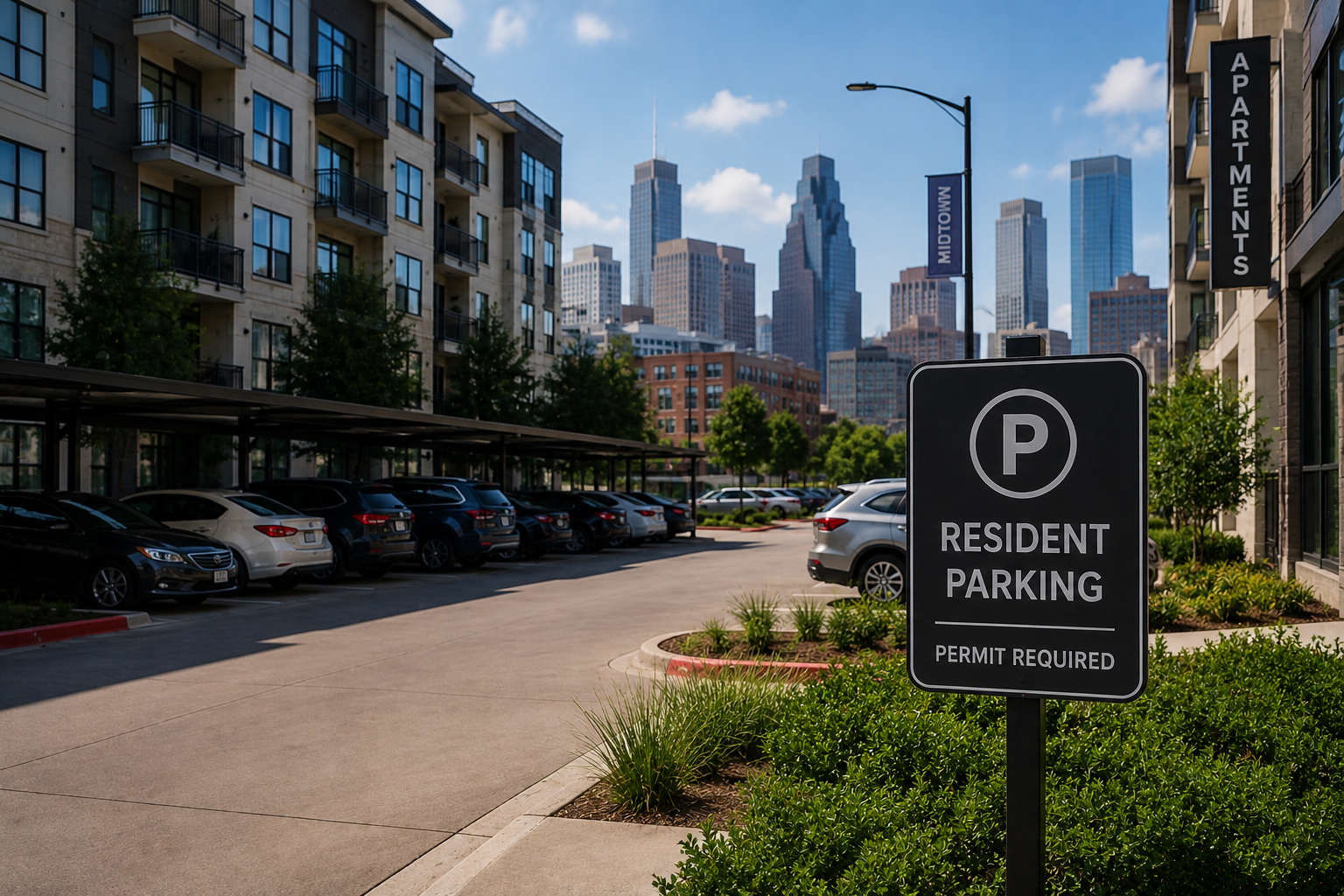
Parking is not always included in the base rent. Some communities charge for reserved spaces, covered parking, garages, additional vehicles, or visitor parking.
Before signing a lease, ask where residents can park and whether a permit is required. Renters should also confirm towing rules, guest procedures, and charges for replacing parking tags or access devices.
Parking may appear to be a minor detail during a daytime tour, but it can become a daily frustration when spaces are limited or located far from the apartment.

Moving expenses depend on the size of the apartment, travel distance, number of belongings, building access, and level of assistance required.
Professional movers may charge by the hour and add fees for stairs, long walking distances, heavy furniture, or additional packing services. Renters handling the move themselves may still need to pay for a rental truck, fuel, mileage, equipment, boxes, tape, and protective materials.
Some apartment buildings require elevator reservations or restrict moving to certain hours. Confirm these requirements before booking movers to avoid delays or extra charges.
A new apartment often requires immediate household purchases. Renters may need cleaning products, trash cans, shower curtains, kitchen items, lamps, storage containers, hangers, and basic furniture.
Each item may seem affordable on its own, but the combined cost can be surprisingly high. Create a list that separates immediate needs from items that can be purchased later.
Measure the rooms, doors, hallways, and available storage before buying large furniture. This helps prevent spending money on items that do not fit the apartment.

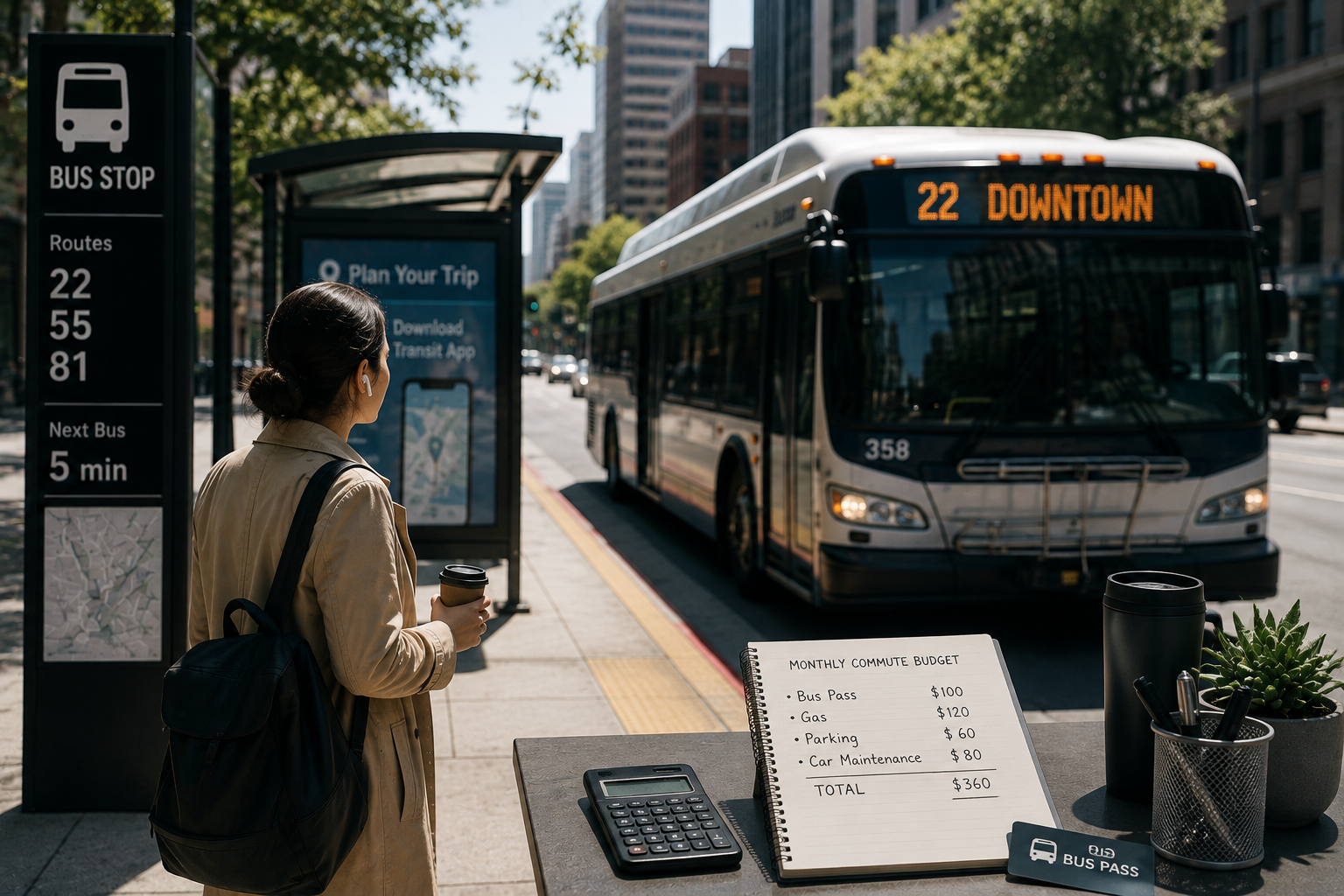
The apartment’s location can affect monthly transportation costs. A lower rental rate may seem appealing, but a longer commute can increase spending on fuel, tolls, parking, and vehicle maintenance.
Renters should calculate the full cost of traveling to work, school, grocery stores, medical appointments, and other regular destinations. A slightly more expensive apartment located closer to daily responsibilities may save money and time in the long run.
Test the expected commute during normal travel hours rather than relying only on distance shown on a map.
Apartment communities may charge monthly fees for trash pickup, pest control, package services, internet packages, amenity access, billing administration, or community maintenance.
Individually, these amounts may appear small. When combined, however, they can noticeably increase the monthly payment.
Ask the leasing representative to provide an example of a typical resident statement. This will help you understand how much you may pay beyond the advertised rent each month.


Even a carefully planned move can include unexpected costs. A renter may need temporary storage, additional moving supplies, replacement furniture, childcare, pet boarding, meals, or time away from work.
Keeping a small emergency amount available can prevent these expenses from affecting rent or other important bills. It also provides financial flexibility if the move takes longer or costs more than originally expected.
The real cost of moving into a Houston apartment extends well beyond the monthly rent. Application charges, deposits, utilities, insurance, pet fees, parking, transportation, moving services, household purchases, and recurring community charges can all affect affordability.
Preparing for these expenses before beginning your apartment search helps you avoid financial surprises and compare available homes more confidently. Instead of focusing only on the advertised price, consider what you will pay before move-in and throughout the entire lease.
A.S.A.P. Apartment Specialist can help renters compare apartment options based on their complete budget, preferred location, daily needs, and desired features. With thoughtful planning and professional apartment assistance, you can choose a Houston home that remains practical and financially comfortable long after moving day.
Resident clubhouse with entertainment kitchen, billiards, and TV.
WiFi throughout all common areas.
Business Center with two private conference rooms, work nooks, computer, and WiFi printer.
Poolside lounge with gaming.
The courtyard features a resort-style pool with tanning ledges, grilling and seating areas, and a green lawn space for hammocks and gaming.
State-of-the-art athletic club with cardio and strength training equipment.
Bike storage.
On-site dog park and dog wash.
Controlled-access parking with carports and private garages.
24-hour package lockers and storage room for large parcels.
Electric vehicle charging stations
Business Center.
On-Site Dog Park.
On-Site Management.
Online Rental Payments.
Clubhouse.
Swimming Pool.
Gated Electronic Entrance.
Wi-Fi Available.
Fitness Center.
Yoga Center.
Pet Wash Station.
Package Lockers.
Resident clubhouse with entertainment kitchen, billiards, and TV.
WiFi throughout all common areas.
Business Center with two private conference rooms, work nooks, computer, and WiFi printer.
Poolside lounge with gaming.
The courtyard features a resort-style pool with tanning ledges, grilling and seating areas, and a green lawn space for hammocks and gaming.
State-of-the-art athletic club with cardio and strength training equipment.
Bike storage.
On-site dog park and dog wash.
Controlled-access parking with carports and private garages.
24-hour package lockers and storage room for large parcels.
Electric vehicle charging stations